
Coconut Shell Activated Carbon for Gold Recovery | Carl Carbon
Release time:
2026-06-24
Author:
CarlCarbon
Source:
CarlCarbon
Abstract
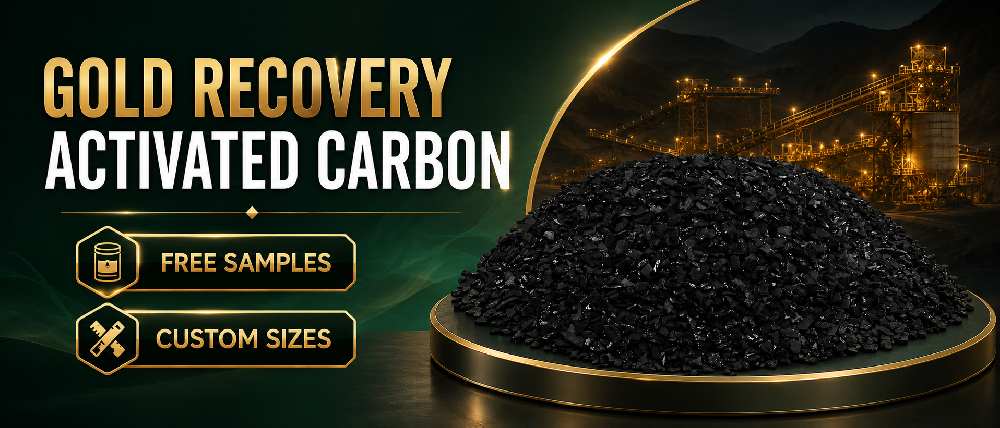 |
Coconut shell activated carbon for gold recovery is widely used in CIP and CIL gold processing plants to adsorb gold-cyanide complexes efficiently. With high hardness, low ash content, and stable adsorption performance, it helps reduce carbon loss, improve gold recovery, and support more reliable mining operations.
Compared with many other carbon sources, coconut shell activated carbon has a naturally hard structure, well-developed pore distribution, and good resistance to abrasion. These characteristics make it a practical choice for adsorbing gold-cyanide complexes from leach solutions.
For mines looking for a balance between adsorption efficiency and long service life, choosing the right activated carbon is not just a purchasing decision. It directly influences gold loading capacity, carbon loss, elution efficiency, and overall plant economics.
How Coconut Shell Activated Carbon Works in Gold Recovery
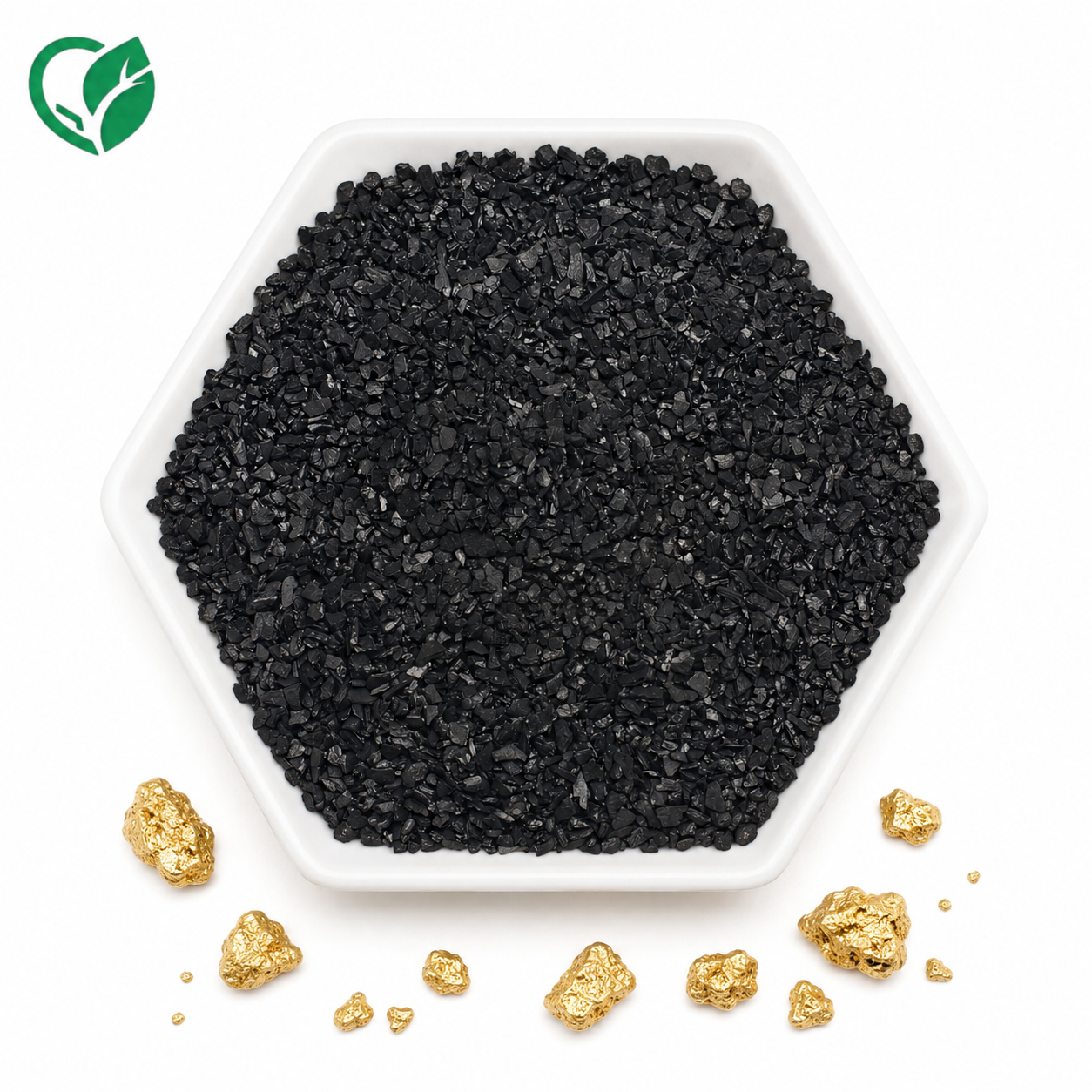 | 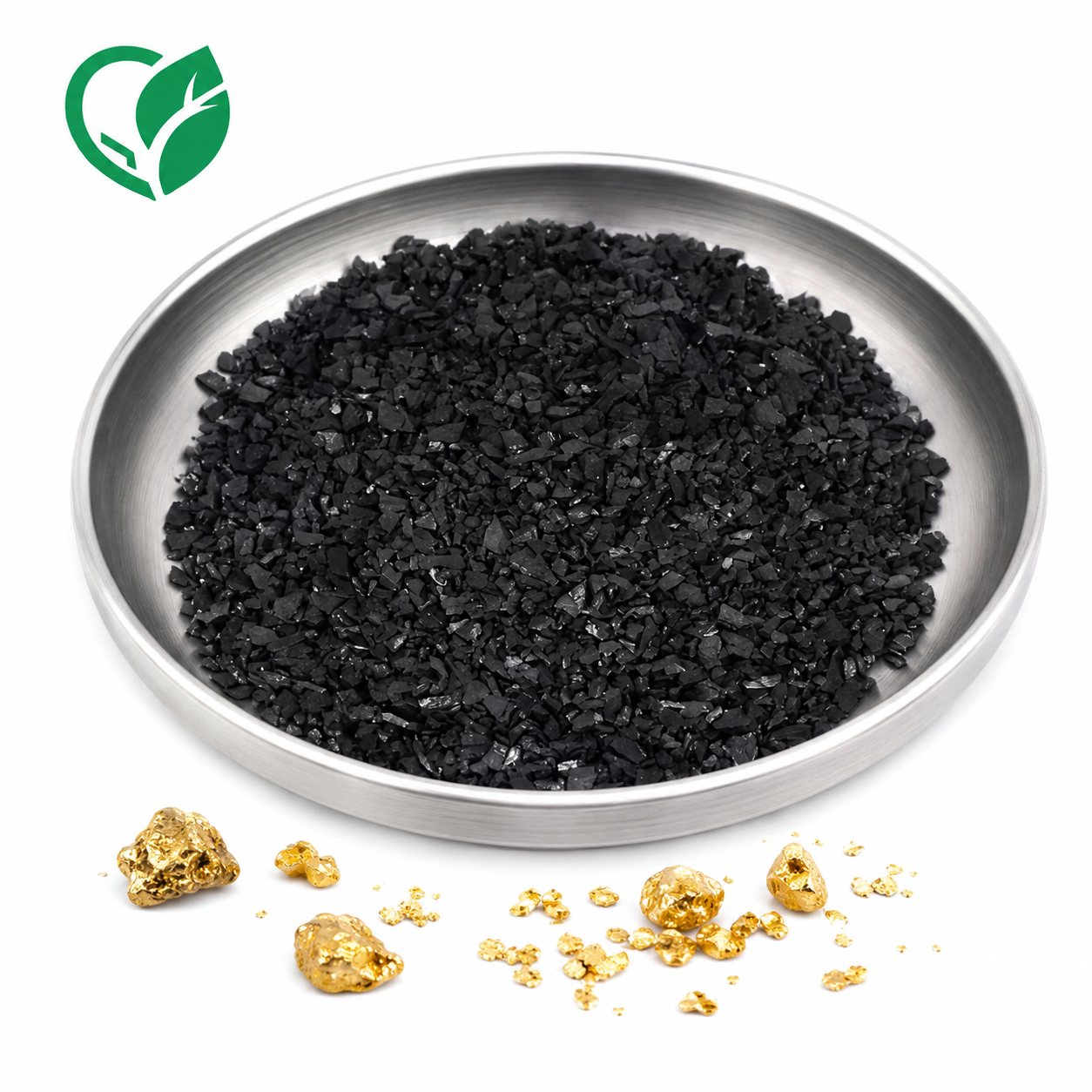 |
During cyanidation, gold dissolves and forms soluble gold-cyanide complexes. In CIP and CIL processes, activated carbon is added to the slurry or solution to adsorb these complexes onto its internal pore surface.
A good coconut shell granular carbon adsorbing gold-cyanide complexes should have:
Strong adsorption capacity
High mechanical hardness
Low ash content
Proper particle size distribution
Good regeneration performance
Low fines generation during operation
When these factors are well controlled, the carbon can help maintain stable gold recovery while reducing unnecessary carbon replacement and gold loss in fines.
Advantages of Coconut Shell Activated Carbon in Gold Extraction
One major reason mining operators choose coconut shell carbon is its strength. Gold recovery circuits are harsh environments. Carbon particles move through tanks, screens, pumps, and elution systems. If the carbon breaks easily, fine particles may carry adsorbed gold out of the circuit.
This is where high hardness coconut shell carbon can help minimize carbon loss in gold recovery. Higher hardness and abrasion resistance help reduce carbon fines, which means less loaded carbon is lost and more gold remains recoverable.
Another advantage is low impurity content. Low ash coconut shell activated carbon for the gold leaching process helps reduce unwanted mineral residue and supports cleaner operation in adsorption and elution stages.
Choosing 6–12 Mesh or 8–16 Mesh Carbon for CIP/CIL
Particle size is another key factor. Many gold plants use 6–12 mesh or 8–16 mesh coconut shell carbon for CIP CIL gold adsorption, depending on tank design, screen opening, slurry flow, and process requirements.
Larger particles often provide better screen retention and lower pressure drop, while smaller particles may offer faster adsorption kinetics. The best choice depends on the plant’s operating conditions.
For CIP and CIL circuits, carbon should not only adsorb gold effectively but also resist breakage throughout loading, acid washing, elution, and regeneration. A carbon product with unstable size distribution may cause screen blinding, carbon leakage, or reduced recovery efficiency.
What Makes the Best Coconut Shell Activated Carbon for Gold Recovery Mining?
The best coconut shell activated carbon for gold recovery mining is not simply the carbon with the highest iodine value or the lowest price. A reliable mining-grade carbon should match the real conditions of the gold plant.
Important specifications usually include:
Hardness and abrasion resistance
Gold adsorption rate
Gold loading capacity
Ash content
Moisture level
Particle size distribution
Platelet content
Fines content
Regeneration stability
For gold plants, performance consistency is often more valuable than a single high test number. A carbon that performs steadily across multiple cycles can help reduce operational risk.
Coconut Shell Activated Carbon Specially Designed for CIL CIP Gold Process
A coconut shell activated carbon specially designed for CIL CIP gold process should be manufactured with gold recovery applications in mind. This includes careful raw material selection, controlled activation, screening, dedusting, and quality testing before shipment.
At Carl Carbon, we understand that different mines have different ore types, slurry conditions, and recovery targets. Our coconut shell activated carbon is developed for gold adsorption applications where hardness, adsorption capacity, and low carbon loss are all important.
You can learn more about our activated carbon solutions here: Carl Carbon.
Why Carbon Quality Affects Plant Economics
Activated carbon may look like a small part of the gold recovery process, but poor carbon quality can create expensive problems. Excessive fines may lead to gold loss. Weak particles may increase carbon consumption. High ash content may reduce efficiency or increase cleaning requirements.
On the other hand, well-selected coconut shell activated carbon for gold recovery can support:
Higher gold adsorption efficiency
Lower carbon makeup rate
Reduced gold loss from fines
More stable elution performance
Better long-term operating control
For technical background on global gold mining and processing, industry readers may also refer to resources from the World Gold Council and cyanide management guidance from the International Cyanide Management Code.
Final Thoughts
For CIP and CIL gold plants, activated carbon quality has a direct impact on recovery performance and operating cost. Coconut shell activated carbon remains a preferred option because of its hardness, pore structure, low ash content, and reliable adsorption performance.
If your plant is looking for coconut shell activated carbon for gold recovery, Carl Carbon can provide suitable grades for gold adsorption, including granular carbon options for CIP and CIL applications.
Visit Carl Carbon to discuss the right activated carbon solution for your gold recovery process.
Recommended Reading
Detailed Guide: 7 Types of Activated Carbon and Their Unique Functions
2024-04-24
2026-05-29
Activated Carbon for Monosodium Glutamate: MSG Decolorization and Refining Applications
2026-08-21
Activated Carbon for Gold Recovery: CIP, CIL Process, Carbon Selection and Regeneration Guide
2026-09-30
Activated Carbon Dosage Calculation: How to Size GAC and PAC for Water Treatment
2026-08-10
Get a customized solution
Filling in your phone and email information will help us get in touch with you in a timely manner and resolve your issue as soon as possible.