
Granular Activated Carbon: A Complete Guide
Release time:
2026-07-24
Author:
CarlCarbon
Source:
CarlCarbon
Abstract
Granular Activated Carbon: A Complete Guide
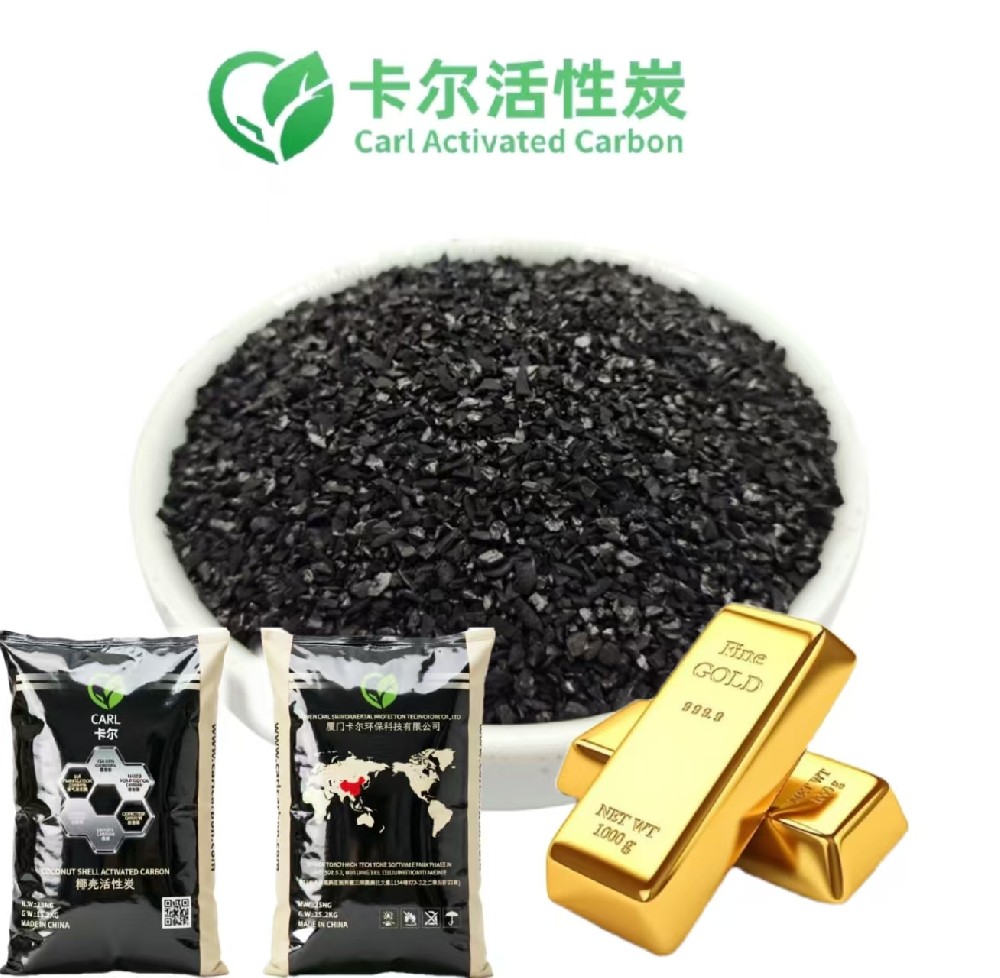 | 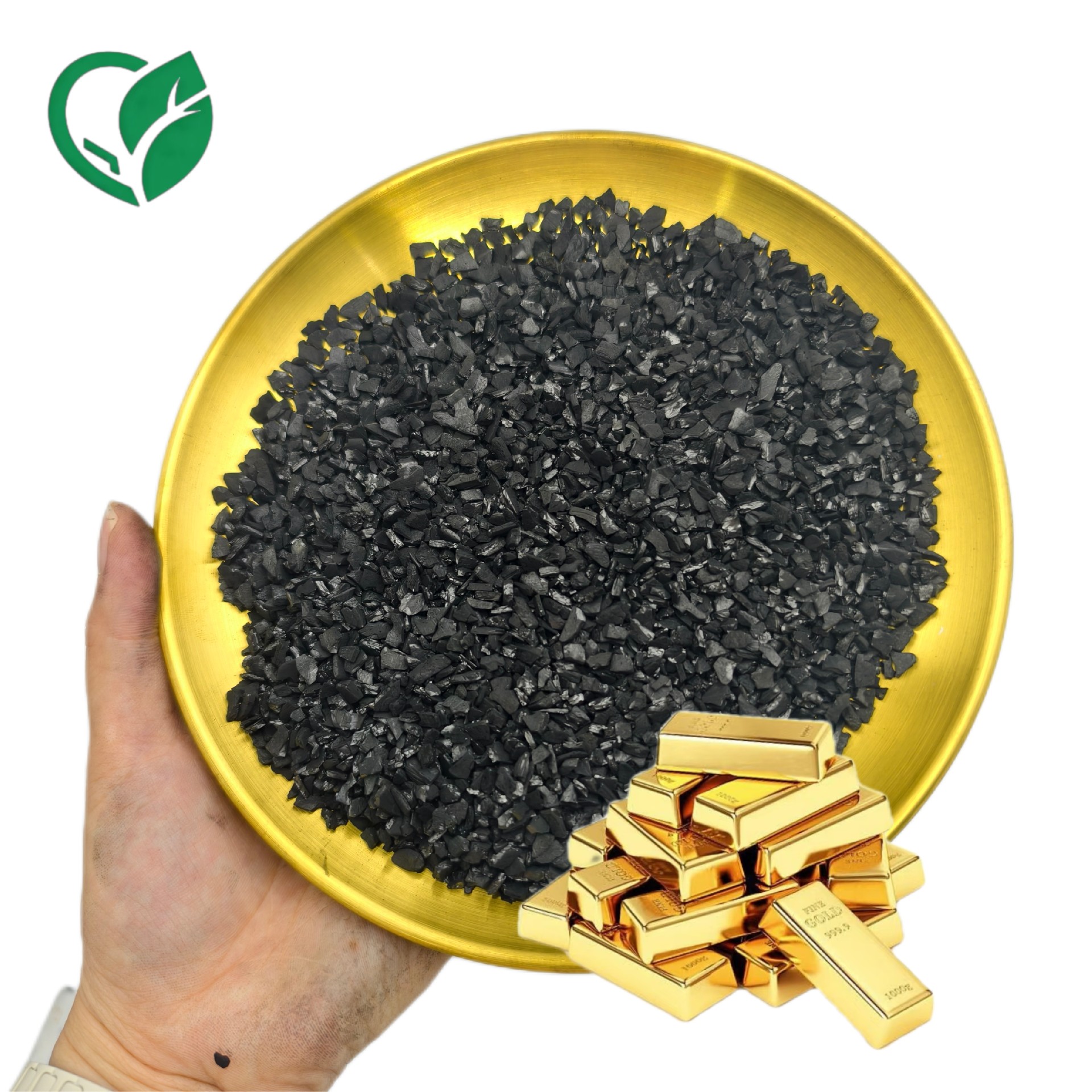 |
Granular activated carbon, commonly abbreviated as GAC, is a porous adsorption material used to remove contaminants from water, air, gases, and industrial process streams.
Its extensive internal pore structure provides a large surface area where contaminant molecules can accumulate. Because GAC is supplied as durable granules, it can be installed in fixed beds, pressure vessels, gravity filters, cartridges, and industrial adsorption columns.
Granular activated carbon is widely used in drinking water treatment, municipal filtration, industrial wastewater treatment, groundwater remediation, air purification, food and beverage processing, chemical refining, and solvent recovery.
However, not every GAC product provides the same performance. Raw material, manufacturing process, pore-size distribution, particle size, surface chemistry, hardness, ash content, and operating conditions can all affect adsorption capacity and service life.
This guide explains what granular activated carbon is, how it works, which contaminants it can remove, how it is used in water treatment, which specifications buyers should compare, and how to select a suitable GAC product.
What Is Granular Activated Carbon?
Granular activated carbon is a solid, porous carbon material consisting of irregular or shaped particles that are large enough to remain in a filter bed or adsorption vessel.
The United States Environmental Protection Agency describes GAC as a porous adsorption medium with a high internal surface area. Common raw materials include bituminous coal, lignite, peat, wood, and coconut shells. Physical or chemical processing creates and enlarges the pores responsible for adsorption. (US EPA)
Unlike ordinary charcoal, activated carbon has undergone an activation process that develops a much larger and more accessible internal pore network.
The term “granular” refers to its physical form. GAC particles are larger than powdered activated carbon and are commonly classified according to mesh size. ASTM D2862 defines granular activated carbon for particle-size testing as material with at least 90 percent of its sample weight retained on a 180-micrometer standard sieve. (ASTM Store)
What Is GAC Made From?
Granular activated carbon can be produced from several carbon-rich materials:
Bituminous coal
Lignite
Coconut shells
Wood
Peat
Selected agricultural by-products
Other carbonaceous feedstocks
Raw material selection affects the density, hardness, ash content, transport pores, pore-size distribution, and adsorption behavior of the final product.
Kuraray notes that activated carbon inherits important physical characteristics from its original raw material. Bituminous coal, coconut shell, wood, lignite, and peat can therefore produce carbons with different performance advantages. (Kuraray)
Bituminous coal-based GAC commonly has a broad pore-size distribution and is widely used in drinking water, wastewater, and industrial treatment.
Coconut shell GAC frequently has high hardness and a micropore-rich structure, making it suitable for many small-molecule adsorption applications.
Wood-based activated carbon often contains a larger proportion of mesopores and macropores, which can be useful for color bodies and larger organic molecules. Wood-based products are frequently supplied in powdered form, although granular grades are also available.
Lignite-based GAC may provide a broad pore structure and can be selected for certain complex organic mixtures.
These descriptions serve as preliminary guidance. Actual product performance also depends on activation conditions, post-treatment, particle sizing, and quality control.
Granular Activated Carbon and Other Activated Carbon Forms
Activated carbon is available in several physical forms.
Granular activated carbon
GAC consists of particles that are typically crushed and screened to specified mesh sizes. It can be retained in fixed beds and may be removed, replaced, or thermally reactivated after exhaustion. (Kuraray)
Powdered activated carbon
Powdered activated carbon, commonly abbreviated as PAC, has much smaller particles. It is usually dosed into a liquid stream and separated after adsorption through sedimentation, filtration, or another solid-liquid separation process.
Pelletized activated carbon
Pelletized activated carbon is formed into cylindrical particles. Its regular shape and relatively low flow resistance make it suitable for many air and gas purification systems.
Activated carbon block
Carbon blocks are manufactured by combining fine activated carbon with a binder and compressing or extruding the material into a solid filter structure. They are frequently used in residential cartridges and point-of-use water filters.
How Does Granular Activated Carbon Work?
Granular activated carbon removes contaminants mainly through adsorption.
Adsorption occurs when molecules in water, air, gas, or process liquid enter the carbon’s pore structure and attach to its internal surfaces.
This process differs from absorption. During absorption, one substance penetrates and becomes distributed throughout another material. During adsorption, molecules accumulate on a surface.
GAC also provides some physical filtration because suspended particles may be retained within or above the carbon bed. However, its principal function is molecular adsorption. The American Water Works Association identifies GAC as both a filter medium and an adsorbent in water supply applications. (American Water Works Association)
Adsorption Inside the GAC Pore Structure
Activated carbon contains interconnected pores of different sizes.
These pores are commonly divided into:
Micropores
Mesopores
Macropores
Macropores and larger transport pores help molecules enter the carbon granule. Mesopores support movement toward smaller internal pores. Micropores provide much of the internal surface where many contaminants are adsorbed.
A carbon with a high total surface area does not automatically provide the best performance for every contaminant. The pore structure must be accessible and appropriately matched to the size and chemical characteristics of the target molecule.
The adsorption process may involve:
Physical attraction
Dispersion forces
Electrostatic interactions
Chemical reactions
Catalytic activity
Surface complex formation
The dominant mechanism varies according to the contaminant, carbon surface chemistry, water composition, and product treatment.
How Granular Activated Carbon Is Made
The production process normally includes raw material preparation, carbonization, activation, crushing, screening, washing, drying, testing, and packaging.
Raw Material Preparation
The selected raw material is cleaned and processed to remove soil, stones, metal fragments, excessive moisture, and other foreign materials.
Consistent feedstock quality helps manufacturers control the density, ash content, hardness, and pore structure of the final GAC.
Carbonization
The raw material is heated in an oxygen-limited environment. Volatile components are removed, leaving a carbon-rich char.
Carbonization creates an initial pore structure, but the char does not yet possess the full adsorption performance expected from activated carbon.
Activation
The char is activated through a physical or chemical process.
Gas activation normally uses steam or carbon dioxide at high temperatures. Controlled reactions remove portions of the carbon structure and develop additional pores.
Chemical activation involves treating the feedstock with an activating chemical before or during thermal processing. The product is subsequently washed to remove residual chemicals.
Kuraray describes gas activation as a process in which carbon-containing material is carbonized to produce char and then thermally activated before screening. Chemical activation is more commonly associated with selected wood-based products. (Kuraray)
Crushing and Screening
After activation, the carbon is crushed and screened into a specified particle-size range.
Common GAC mesh sizes include:
4 × 8 mesh
6 × 12 mesh
8 × 16 mesh
8 × 30 mesh
12 × 30 mesh
12 × 40 mesh
20 × 50 mesh
The appropriate range depends on the treatment equipment, target contaminant, flow rate, pressure-drop limits, contact time, and retention system.
Washing and Drying
The activated carbon may be washed to reduce ash, soluble salts, residual chemicals, and fine particles.
Acid-washed GAC may be selected for applications requiring low extractable metals or high product purity.
The carbon is then dried to the specified moisture level.
Quality Testing and Packaging
Finished granular activated carbon may be tested for:
Particle-size distribution
Iodine number
Surface area
Hardness
Abrasion resistance
Ash content
Moisture
Apparent density
pH
Water-soluble ash
Extractable metals
CTC activity
Butane activity
Application-specific adsorption capacity
ASTM maintains activated carbon standards covering particle size, moisture, hardness, apparent density, ash, pH, attrition, adsorption testing, and other physical and chemical properties. (ASTM Store)
Factors Affecting GAC Performance
The effectiveness of granular activated carbon depends on more than one technical specification.
Important factors include:
Target contaminant
Contaminant molecular size
Contaminant concentration
Carbon pore-size distribution
Carbon surface chemistry
Particle size
Contact time
Flow velocity
Bed depth
Water temperature
pH
Humidity in gas-phase systems
Natural organic matter
Competing contaminants
Suspended solids
Carbon age
Breakthrough requirements
Smaller GAC particles may provide faster adsorption because contaminants travel a shorter distance through the granule. They can also create higher pressure loss and may be more difficult to retain.
Larger particles may reduce pressure drop but require enough bed depth and contact time to achieve the required treatment result.
What Does Granular Activated Carbon Remove from Water?
Granular activated carbon is used to remove or reduce many organic contaminants, taste and odor compounds, and selected treatment by-product precursors.
The EPA identifies taste- and odor-producing substances, natural organic matter, volatile organic compounds, synthetic organic compounds, and disinfection by-product precursors among the principal drinking water applications for GAC. Treatment capacity varies with the carbon raw material, manufacturing process, and contaminant characteristics. (US EPA)
Contaminants GAC Can Remove or Reduce
Depending on the product and operating conditions, GAC may reduce:
Chlorine
Taste and odor compounds
Natural organic matter
Volatile organic compounds
Synthetic organic chemicals
Solvents
Fuel-related hydrocarbons
Selected pesticides
Selected herbicides
Some pharmaceutical residues
Some industrial organic chemicals
Disinfection by-product precursors
Selected disinfection by-products
Selected PFAS compounds
Organic color compounds
GAC is also used in contaminated groundwater and industrial remediation systems. EPA guidance describes GAC columns and tanks as treatment equipment for contaminated water and vapor containing solvents, fuels, PCBs, dioxins, and other industrial chemicals. (Sems Publishing)
The phrase “GAC removes a contaminant” should not be used without adequate qualification. Removal performance depends on the exact compound, influent concentration, competing substances, carbon grade, empty bed contact time, and acceptable outlet concentration.
A product that performs well for chlorine removal may not provide the same service life for solvents, pesticides, or PFAS.
What GAC Does Not Effectively Remove
Unmodified granular activated carbon is not a universal treatment medium.
It may have limited effectiveness for:
Dissolved salts
Total dissolved solids
Calcium and magnesium hardness
Nitrate
Fluoride
Many inorganic ions
Some heavy metals
Microorganisms
Highly water-soluble compounds
Compounds with weak affinity for the carbon surface
These contaminants may require other treatment technologies, including:
Reverse osmosis
Nanofiltration
Ion exchange
Water softening
Activated alumina
Chemical precipitation
Oxidation
Disinfection
Ultraviolet treatment
Specialized adsorptive media
Impregnated activated carbon
GAC should not be described as an independent disinfection method. Bacteria may also develop within a poorly maintained carbon filter, particularly when the system remains unused for extended periods or when no downstream disinfection is provided.
Why Removal Performance Changes Over Time
GAC has a finite adsorption capacity.
As contaminants accumulate on the internal surfaces, the most accessible adsorption sites become occupied. The adsorption zone moves progressively through the carbon bed until the target contaminant begins appearing in the treated water.
This stage is referred to as breakthrough.
Several conditions can cause earlier breakthrough:
High contaminant concentration
Insufficient carbon quantity
Excessive flow rate
Short contact time
Shallow carbon bed
Competing organic matter
Incorrect pore-size distribution
Channeling through the bed
Carbon fouling
Poor pretreatment
Inadequate monitoring
The EPA notes that other adsorbable contaminants can reduce the GAC capacity available for the target compound. Once the media becomes exhausted, it must be replaced or regenerated. (US EPA)
How Is Granular Activated Carbon Used in Water Treatment?
Granular activated carbon can serve as an adsorption medium, a filtration medium, or a combined treatment stage.
It is used in residential filters, commercial systems, municipal treatment plants, industrial water systems, groundwater remediation projects, and wastewater polishing processes.
The GAC Water Treatment Process
A GAC water treatment system commonly follows these stages:
The untreated water is tested to identify contaminants and operating conditions.
Suspended solids may be removed through pretreatment.
Water enters a vessel, column, cartridge, or open filter containing GAC.
Water moves through the spaces between the carbon particles.
Target contaminants diffuse into the carbon pore network.
Contaminants adsorb onto the internal surfaces.
Treated water exits the carbon bed.
Outlet water is sampled and tested.
The carbon is replaced or reactivated after breakthrough.
Some systems use two or more GAC vessels in series. A lead vessel receives the untreated water first, while a lag vessel provides additional protection before discharge or distribution.
When breakthrough occurs in the lead vessel, the lag vessel may be moved into the lead position and a vessel containing fresh or reactivated GAC may be installed downstream.
EPA remediation guidance describes similar systems in which contaminated water or vapor passes through one or more GAC tanks and is tested to verify that treatment objectives have been achieved. (Sems Publishing)
Types of GAC Filter Systems
Granular activated carbon can be installed in several system configurations.
Pressure GAC Vessels
Pressure vessels are enclosed tanks that operate under water pressure.
They are frequently used in:
Commercial water treatment
Industrial process water
Groundwater remediation
Point-of-entry systems
Municipal treatment
Wastewater polishing
Pressure vessels can be installed individually or in lead-lag arrangements.
Gravity GAC Filters
Gravity GAC systems use open basins in which water flows downward through the carbon bed under gravity.
They are common in municipal water treatment plants and may resemble conventional granular-media filters.
The EPA recognizes pressure-vessel and open gravity-basin configurations as two basic GAC system designs. (US EPA)
Fixed-Bed Adsorption Columns
Fixed-bed columns contain a stationary layer of GAC through which water, liquid, air, or gas passes.
They are used in:
Industrial water purification
Chemical processing
Solvent recovery
Groundwater treatment
Gas purification
Wastewater polishing
Point-of-Use GAC Filters
Point-of-use systems treat water at a single outlet, such as a kitchen tap.
Common examples include:
Faucet-mounted filters
Under-sink filters
Refrigerator filters
Countertop filters
These systems have limited carbon volume and may require relatively frequent cartridge replacement.
Point-of-Entry GAC Systems
Point-of-entry systems are installed on the main supply line and treat water before it is distributed throughout a house or facility.
A POE system must be sized according to:
Peak flow rate
Daily water demand
Target contaminants
Required contact time
Pressure-drop limits
Carbon quantity
Vessel configuration
Backwashing requirements
Sediment pretreatment may be needed to reduce carbon-bed fouling.
Municipal GAC Filters
Municipal systems may use GAC for:
Taste and odor control
Natural organic matter reduction
Organic contaminant removal
Disinfection by-product precursor control
Treatment of selected emerging contaminants
Municipal design requires pilot testing, hydraulic analysis, breakthrough modeling, carbon replacement planning, and regulatory review.
GAC Treatment for Private Well Water
Granular activated carbon can be used in private well water systems when testing confirms the presence of adsorbable contaminants.
The treatment process should begin with a complete water analysis. Selecting a filter only from taste, smell, or visual appearance can leave important contaminants untreated.
GAC may help address:
Fuel-related compounds
Solvents
Selected pesticides
Organic odors
Selected industrial chemicals
It should not be relied upon as the only treatment for:
Bacteria
Viruses
Nitrate
Hardness
Dissolved salts
Arsenic without verified specialty media
Other inorganic contaminants outside the product’s validated performance
After installation, treated water should be tested to confirm performance. Periodic monitoring is also needed to detect breakthrough.
Advantages of GAC in Water Treatment
GAC offers several operational benefits:
Proven adsorption technology
Broad applicability to organic contaminants
Continuous treatment in fixed-bed systems
Flexible vessel and filter configurations
Compatibility with residential and industrial systems
Ability to polish water after other treatment stages
Potential for thermal reactivation
Relatively straightforward media replacement
Combined adsorption and filtration functions
The EPA identifies GAC as an established treatment option and notes that regenerative carbon beds allow the adsorption medium to be recovered after exhaustion. (US EPA)
Limitations of GAC Water Treatment
GAC systems also have practical limitations:
Adsorption capacity eventually becomes exhausted
Carbon must be replaced or regenerated
Other organics can consume available capacity
Pressure loss may increase
Suspended solids can foul the bed
Incorrect flow distribution may cause channeling
Monitoring is required to identify breakthrough
Spent carbon may require controlled handling
Biological growth may occur in some systems
GAC does not treat every contaminant
Spent carbon containing hazardous substances may require special transportation, regeneration, or disposal procedures. (US EPA)
What Is Granular Activated Carbon Used For?
Water treatment is one of the largest GAC applications, but granular activated carbon is also used across environmental, industrial, commercial, and manufacturing processes.
Drinking Water Treatment
GAC is used to improve taste and odor, reduce natural organic matter, control organic contaminants, and lower selected disinfection by-product precursors.
It may be installed as a dedicated adsorption stage or used in filters that also provide biological and physical treatment.
Municipal and Industrial Wastewater Treatment
Granular activated carbon can polish treated wastewater by reducing remaining dissolved organic compounds.
Applications include:
Industrial effluent polishing
Reuse-water treatment
Landfill leachate treatment
Chemical wastewater treatment
Pharmaceutical wastewater treatment
Groundwater remediation
Pretreatment is often necessary when the wastewater contains high suspended-solids concentrations, oils, or substances that can rapidly foul the carbon.
Industrial Process Water
GAC can remove organic impurities that affect product quality, equipment performance, downstream membranes, ion-exchange systems, and manufacturing consistency.
It is used in:
Electronics manufacturing
Chemical plants
Power generation
Pharmaceutical production
Metal finishing
Food processing
Beverage manufacturing
High-purity water systems
Air and Gas Purification
Granular activated carbon can adsorb volatile organic compounds, odors, solvent vapors, hydrocarbons, and selected process contaminants from air or gas.
Applications include:
Industrial exhaust treatment
Odor-control systems
Tank vent treatment
Solvent recovery
Indoor air purification
Soil-vapor treatment
Process-gas purification
Some gases have limited adsorption on untreated carbon. Chemically impregnated GAC may be needed for hydrogen sulfide, ammonia, mercury, acid gases, or other reactive contaminants.
Food and Beverage Processing
Suitable grades may be used for:
Water purification
Taste and odor control
Beverage processing
Decolorization
Ingredient purification
Edible oil processing
Alcohol treatment
Sugar and sweetener refining
Products used in food-contact applications must comply with the applicable regulations and purity requirements.
Chemical and Pharmaceutical Purification
GAC can remove trace organic impurities, color compounds, reaction by-products, and residual processing chemicals.
These applications may require:
Low ash
Controlled pH
Acid washing
Low extractable metals
High product purity
Batch traceability
Application-specific testing
Solvent and Vapor Recovery
Organic solvent vapors can be captured on GAC and, in suitable systems, recovered through steam, heat, vacuum, or another desorption process.
System design must account for:
Solvent concentration
Flammability
Heat generation
Humidity
Bed depth
Breakthrough
Regeneration method
Emission limits
Environmental Remediation
GAC is frequently installed in pump-and-treat systems for contaminated groundwater and in treatment systems for soil vapor.
The EPA identifies GAC as a common remediation technology that can be deployed in tanks ranging from small packaged systems to large treatment installations.
Gold Recovery
Selected high-hardness GAC grades can adsorb dissolved gold complexes in carbon-in-pulp and carbon-in-leach processes.
These products require:
High abrasion resistance
Low fine-particle generation
Suitable adsorption kinetics
Good elution characteristics
Resistance to repeated regeneration
Gold-recovery carbon should be selected according to metallurgical testing rather than general water-treatment specifications.
Granular Activated Carbon Specifications and Selection Guide
Granular activated carbon specifications help buyers compare product properties, but no single value can predict performance in every application.
A high iodine number does not prove that a carbon will outperform another grade for all contaminants. Buyers should assess the complete technical profile and verify performance under representative operating conditions.
Key Granular Activated Carbon Specifications
| Specification | What It Indicates | Why It Matters |
|---|---|---|
| Raw material | Original carbon feedstock | Influences pores, ash, density and hardness |
| Mesh size | Particle-size range | Affects kinetics, pressure drop and retention |
| Effective size | Characteristic particle diameter | Supports hydraulic design |
| Uniformity coefficient | Particle-size consistency | Influences bed distribution and backwashing |
| Iodine number | Relative indication of microporosity | Useful for initial product comparison |
| BET surface area | Estimated internal surface area | Helps characterize pore development |
| Hardness | Resistance to breakage | Important during handling and operation |
| Abrasion resistance | Resistance to particle wear | Influences fines and carbon loss |
| Ash content | Inorganic residue | Relevant to purity and extractables |
| Moisture | Water in the supplied product | Affects dry carbon quantity |
| Apparent density | Mass per unit bulk volume | Used for vessel and inventory calculations |
| pH | Acidity or alkalinity of an extract | Important in sensitive processes |
| CTC activity | Gas-phase activity indicator | Used for selected vapor-phase products |
| Butane activity | Hydrocarbon adsorption indicator | Used in vapor adsorption evaluation |
| Water-soluble ash | Soluble inorganic content | Relevant to liquid-phase purity |
| Acid extractables | Acid-soluble impurities | Important in high-purity applications |
ASTM activated carbon standards include methods for particle-size distribution, moisture, hardness, apparent density, total ash, dusting attrition, CTC activity, butane activity, and other evaluation parameters. (ASTM Store)
Particle Size and Mesh Size
Mesh size defines the particle range between two sieves.
For example, 12 × 40 mesh GAC is designed so that most particles pass through the coarser 12-mesh sieve and remain above the finer 40-mesh sieve, subject to the product specification and testing method.
Finer GAC often provides:
Faster adsorption kinetics
Shorter internal diffusion paths
Greater external surface area
It may also produce:
Higher pressure drop
Greater retention requirements
Higher risk of particle carryover
More demanding backwash control
Coarser GAC may provide lower pressure loss but needs sufficient bed depth and contact time.
Iodine Number
Iodine number is widely used as a relative indicator of micropore development.
It should not be treated as a direct guarantee of adsorption capacity for every contaminant. Different molecules interact with different pore sizes and surface chemistries.
Comparing iodine values is most useful when products have similar raw materials, activation histories, and intended applications.
Surface Area
BET surface area estimates the internal surface area available within the carbon.
Activated carbon can have an internal surface area exceeding 1,000 square meters per gram, although the useful adsorption capacity still depends on pore accessibility and contaminant compatibility. (Kuraray)
Hardness and Abrasion Resistance
Hardness and abrasion resistance indicate how well the GAC withstands:
Transportation
Pneumatic or hydraulic transfer
Loading
Backwashing
Vessel operation
Regeneration
Repeated use
Weak carbon can generate fines, cause product loss, increase downstream solids, and alter hydraulic performance.
Ash Content
Ash is the inorganic residue remaining after controlled combustion.
A low ash value may be important in drinking water, food, beverage, pharmaceutical, and high-purity chemical applications.
The total ash value should be considered together with:
Water-soluble ash
Acid-soluble ash
Extractable metals
Ash composition
Moisture and Apparent Density
Moisture affects the amount of dry activated carbon contained in the delivered product.
Apparent density affects:
Shipping mass
Storage volume
Vessel capacity
Installed carbon mass
Carbon replacement calculations
A lower apparent density does not automatically indicate higher performance. It may simply reflect a different pore structure or raw material.
How to Select the Right Granular Activated Carbon
The selection process should begin with the treatment objective rather than a preferred specification.
Define the Application
Determine whether the GAC will be used for:
Drinking water
Wastewater
Process water
Groundwater
Air purification
Gas treatment
Food processing
Chemical refining
Solvent recovery
Gold recovery
Identify the Target Contaminants
Provide the supplier with:
Compound names
Influent concentrations
Required outlet concentrations
Competing contaminants
Total organic carbon
pH
Temperature
Humidity
Suspended solids
Flow rate
Treatment volume
A general statement such as “organic pollutant removal” may not provide enough information for reliable product selection.
Select the Raw Material
Raw material should be selected according to contaminant characteristics, pore-size requirements, physical strength, purity, regeneration needs, and cost.
Do not assume that coal-based, coconut-shell, or wood-based carbon is automatically superior.
Select the Particle Size
Match the mesh size to:
Vessel design
Retention screens
Flow velocity
Pressure-drop limits
Backwash capability
Required adsorption kinetics
Bed depth
Review the Complete Data Sheet
Compare:
Raw material
Activation method
Mesh size
Iodine number
Surface area
Hardness
Abrasion resistance
Ash
Moisture
Apparent density
pH
Application-specific activity
Certifications
Packaging
Check Quality and Compliance Documents
Relevant documentation may include:
Technical Data Sheet
Safety Data Sheet
Certificate of Analysis
Batch traceability records
Drinking-water certification
Food-contact compliance
Quality-management certification
Country-of-origin documents
Heavy-metal test reports
Application-specific regulatory records
AWWA maintains standards for fresh granular activated carbon and GAC reactivation used in water treatment. (American Water Works Association)
Conduct Performance Testing
Laboratory or pilot testing can include:
Adsorption isotherms
Rapid small-scale column tests
Pilot columns
Breakthrough testing
Contaminant-specific batch tests
Full-scale performance trials
Testing is particularly valuable when the feed contains complex mixtures or when outlet limits are strict.
Evaluate Total Treatment Cost
The lowest purchase price may not provide the lowest operating cost.
Consider:
Adsorption capacity
Replacement frequency
Carbon loss
Freight
Vessel downtime
Disposal
Reactivation
Testing
Labor
Energy
Pressure loss
Product consistency
Questions to Ask Before Buying GAC
Before placing an order, ask the supplier:
Which raw material is used?
What activation process is applied?
Is the specification typical or guaranteed?
Which mesh size is supplied?
What are the iodine number, hardness, ash, moisture, and density?
Is the product acid-washed?
Is it suitable for drinking water or food contact?
Which testing methods are used?
Can recent batch reports be provided?
Is the product suitable for reactivation?
Are representative samples available?
What is the production capacity?
How is batch consistency controlled?
What packaging options are available?
What is the expected delivery time?
Granular Activated Carbon vs Other Activated Carbon Types
GAC should be compared with other carbon forms and raw materials according to the application.
Bituminous Coal-Based GAC vs Coconut Shell GAC
| Selection Factor | Bituminous Coal-Based GAC | Coconut Shell GAC |
|---|---|---|
| Typical pore tendency | Broad pore distribution | Frequently micropore-rich |
| Mechanical strength | Moderate to high by grade | Frequently high |
| Apparent density | Product-dependent | Frequently relatively high |
| Ash content | May be higher | Frequently lower |
| Common applications | Municipal water, wastewater, industrial treatment | Water, air, solvents, specialty applications |
| Raw material origin | Fossil carbon source | Agricultural by-product |
| Selection basis | Broad contaminant mixtures | Small molecules and durability |
These tendencies are not absolute. Manufacturing process and activation level can create substantial differences within each raw-material category. (Kuraray)
Granular Activated Carbon vs Powdered Activated Carbon
| Factor | GAC | PAC |
|---|---|---|
| Physical form | Granules | Fine powder |
| Application method | Fixed bed or vessel | Dosed into a treatment stream |
| Recovery | Removed from a bed | Separated after dosing |
| Continuous use | Well suited | More common in batch or temporary treatment |
| Regeneration | Frequently possible | Often difficult to recover economically |
| Pressure drop | Relevant to bed design | Not used as a conventional fixed bed |
| Dose adjustment | Requires media replacement or system changes | Dose can be adjusted during operation |
PAC is useful for temporary, seasonal, or rapidly changing treatment needs. GAC is more suitable for continuous fixed-bed adsorption.
GAC vs Activated Carbon Block
| Factor | GAC | Carbon Block |
|---|---|---|
| Structure | Loose particles | Compressed solid structure |
| Flow path | Through particle voids | Through a dense porous block |
| Pressure drop | Product and bed dependent | Frequently higher |
| Sediment filtration | Limited without additional media | Can provide finer physical filtration |
| Common systems | Municipal, commercial and industrial | Residential cartridges |
| Media replacement | Bulk replacement or vessel exchange | Cartridge replacement |
Granular vs Pelletized Activated Carbon
Pelletized carbon has a uniform cylindrical shape, which can reduce pressure loss in air and gas systems.
GAC has irregular particles and is widely used in liquid-phase systems, although both forms can be designed for liquid or gas applications.
The choice should reflect pressure drop, dust generation, mass-transfer requirements, vessel design, and contaminant properties.
GAC Filter Operation, Maintenance and Sustainability
Correct operation is essential for maintaining adsorption performance and preventing premature breakthrough.
GAC Filter Installation and Start-Up
A typical installation sequence includes:
Inspecting the vessel and internal distribution system
Confirming screen and nozzle compatibility
Loading the specified GAC
Allowing the carbon to wet and release trapped air
Backwashing or rinsing away fines
Allowing the bed to settle
Starting at a controlled flow rate
Testing the initial treated water
Dry activated carbon can contain trapped air and transportation dust. Proper wetting and rinsing help establish stable hydraulic performance.
GAC Filter Operation Recommendations
Operators should monitor:
Inlet and outlet flow
Differential pressure
Treated-water quality
Target contaminant concentration
Total processed volume
Carbon-bed condition
Backwash frequency
Carbon loss
Microbiological condition where relevant
Lead and lag vessel performance
Routine outlet testing is more reliable than replacing GAC only according to calendar time.
EPA guidance recommends regular sampling and analysis to confirm that the carbon continues to adsorb contaminants adequately.
Backwashing and Backwash Wastewater
Backwashing expands and redistributes the GAC bed.
Its purposes may include:
Removing trapped solids
Removing carbon fines
Restoring flow distribution
Reducing excessive pressure loss
Preventing bed compaction
Limiting channeling
The backwash rate must be adjusted according to particle size, water temperature, carbon density, vessel geometry, and desired bed expansion.
Excessive backwashing can carry carbon out of the vessel. Insufficient backwashing may leave accumulated solids and uneven flow paths.
AWWA filtration guidance includes backwash considerations for granular filter media, while the GAC standard addresses its use as both an adsorption and filtration medium. (American Water Works Association)
Backwash wastewater may contain:
Carbon fines
Suspended solids
Adsorbed contaminants
Biological material
Chemicals released from upstream treatment
It should be collected, characterized, and managed according to local requirements.
GAC Replacement and Reactivation
GAC should be replaced or reactivated when:
Target contaminants break through
Treatment capacity declines
Pressure loss becomes unacceptable
Carbon is physically damaged
Purity requirements are no longer met
Biological or chemical fouling cannot be controlled
Spent carbon may be:
Disposed of
Returned to the supplier
Sent for thermal reactivation
Replaced through a vessel exchange service
Managed as regulated waste
Thermal reactivation uses high temperatures to remove adsorbed contaminants and restore part of the pore structure. Some carbon is lost during handling and reactivation, so make-up carbon may be required.
GAC can often be thermally reactivated and reused, while AWWA maintains a separate standard addressing reactivation of granular activated carbon. (Kuraray)
The feasibility of reactivation depends on:
Contaminant type
Spent-carbon classification
Carbon grade
Required purity
Transport cost
Reactivation loss
Available facilities
Regulatory requirements
Environmental Impact and Sustainability
The environmental performance of GAC should be evaluated across its life cycle.
Relevant factors include:
Raw material source
Mining or agricultural impacts
Carbonization energy
Activation energy
Air-emission controls
Water consumption
Washing chemicals
Transportation distance
Service life
Reactivation potential
Carbon loss
Spent-media disposal
Bio-based raw materials such as coconut shells and wood have renewable origins. Coal-based carbon may provide durability or pore structures that extend service life in certain applications.
A sustainability comparison should therefore include actual treatment capacity, replacement frequency, transport, regeneration, and waste generation rather than raw material alone.
Frequently Asked Questions About Granular Activated Carbon
How long does granular activated carbon last?
GAC service life depends on contaminant concentration, carbon quantity, flow rate, contact time, competing organics, water chemistry, and the required outlet concentration.
A small household cartridge may require replacement after a relatively short period, while a large industrial carbon bed may operate for months or longer.
Breakthrough testing or treated-water analysis provides a more reliable replacement basis than a universal time interval.
Can granular activated carbon be regenerated?
Many industrial GAC products can be thermally reactivated.
Reactivation removes adsorbed contaminants and restores part of the adsorption capacity. Its suitability depends on the carbon grade, contaminants, purity requirements, transport cost, and availability of a qualified reactivation facility.
Does GAC remove bacteria and viruses?
GAC should not be used as the sole method of microbiological treatment.
It may need to be combined with ultraviolet disinfection, chlorination, membrane filtration, or another validated process.
Does GAC remove water hardness?
Standard GAC does not significantly soften water.
Calcium and magnesium hardness are more commonly treated through ion exchange, lime softening, nanofiltration, or reverse osmosis.
Does GAC remove dissolved salts?
GAC is not a desalination medium.
Reverse osmosis, nanofiltration, electrodialysis, or another membrane process is generally required to reduce dissolved salts.
Can GAC be used for private well water?
GAC can be used when laboratory testing identifies adsorbable organic contaminants or taste and odor issues.
Private well water should be tested before selecting equipment. Separate treatment may be required for bacteria, nitrate, hardness, arsenic, iron, manganese, or dissolved salts.
What is a point-of-entry GAC filter?
A point-of-entry GAC system is installed on the main water line and treats most or all water entering a building.
The system must be sized for peak flow, required contact time, contaminant loading, pressure drop, and carbon replacement needs.
How often should a GAC filter be backwashed?
Backwash frequency depends on the system design, influent turbidity, pressure increase, bed condition, particle size, and manufacturer recommendations.
Backwashing should be based on operating data rather than a fixed schedule applied to every system.
What GAC mesh size is best for water treatment?
There is no single best mesh size for every application.
Finer GAC may adsorb more rapidly but creates greater pressure loss. Coarser GAC may support higher flow but requires adequate contact time.
The selected mesh size must be compatible with the equipment and target contaminant.
Is granular activated carbon environmentally friendly?
GAC can support environmental treatment by removing contaminants from water and air. Some spent GAC can also be reactivated and reused.
Its overall environmental impact still depends on raw material production, energy use, transport, treatment capacity, reactivation, and disposal.
Where can I buy granular activated carbon?
GAC can be purchased from activated carbon manufacturers, specialist suppliers, treatment-equipment companies, and regional distributors.
A reliable supplier should provide:
A complete technical data sheet
Safety documentation
Recent batch analysis
Product traceability
Representative samples
Application support
Consistent specifications
Suitable packaging
Stable supply capacity
Final Considerations
Granular activated carbon is a versatile adsorption medium used in drinking water, wastewater, industrial processing, air purification, environmental remediation, and many other applications.
Its effectiveness depends on the relationship between the target contaminant, pore structure, particle size, surface chemistry, carbon quantity, contact time, and operating conditions.
Raw material and iodine number provide useful information, but they should not be used as the only selection criteria. Buyers should review the full specification, confirm regulatory requirements, request recent quality documents, and test the carbon under representative conditions before making a large purchase.
For a technical recommendation, provide the target contaminants, inlet concentrations, required outlet limits, flow rate, operating temperature, water or gas composition, preferred mesh size, and applicable certification requirements.
Recommended Reading
Activated Carbon Dosage Calculation: How to Size GAC and PAC for Water Treatment
2026-08-10
The Science Behind Activated Carbon Filtration in Water Treatment
2024-08-24
8 Hidden Reasons for Low Gold Recovery in CIP/CIL Plants — And How to Fix Them
2026-05-29
2026-06-05
2026-08-18
Get a customized solution
Filling in your phone and email information will help us get in touch with you in a timely manner and resolve your issue as soon as possible.